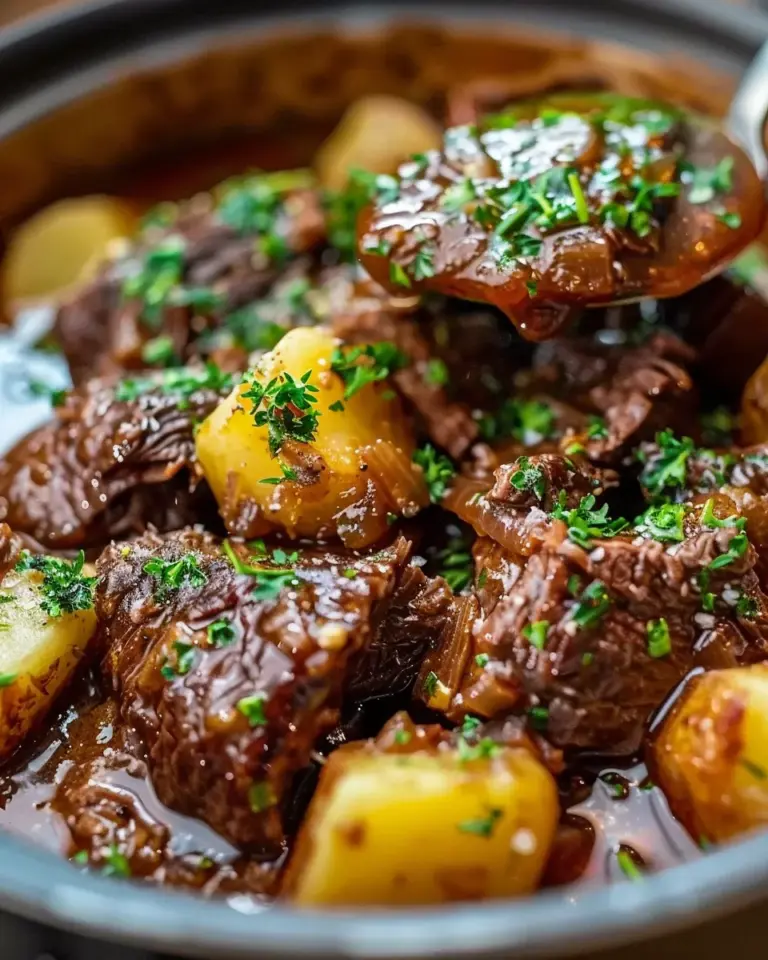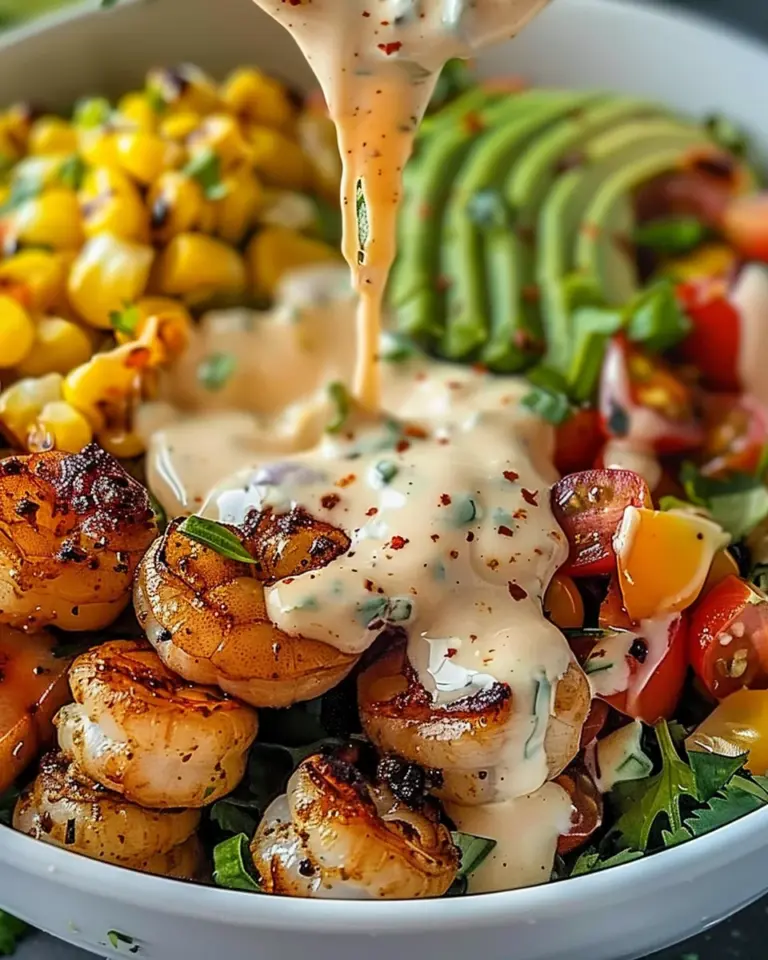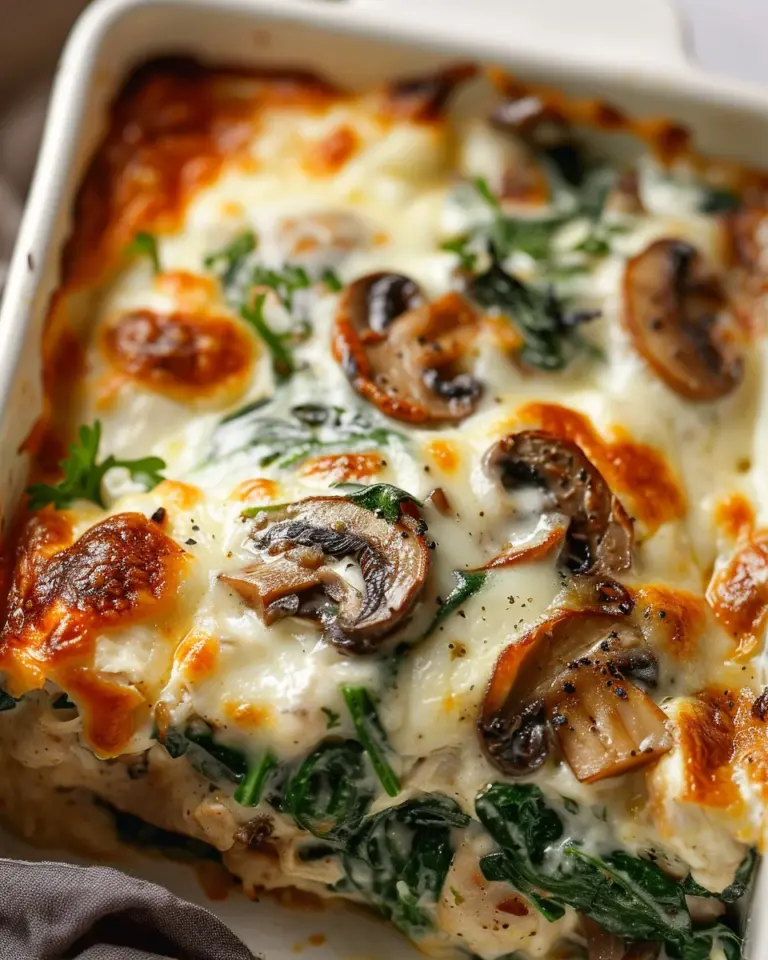
homemade soft pretzel bites
Warm, chewy, golden-brown and packed with comforting flavor, this Soft Pretzels Recipe delivers everything you crave in a classic snack. These homemade pretzel bites are irresistibly soft on the inside, with a perfectly chewy crust, thanks to a traditional baking soda bath. Whether you’re hosting a party, craving a game-day snack, or simply want to try your hand at a satisfying baking project, these pretzels are guaranteed to impress.
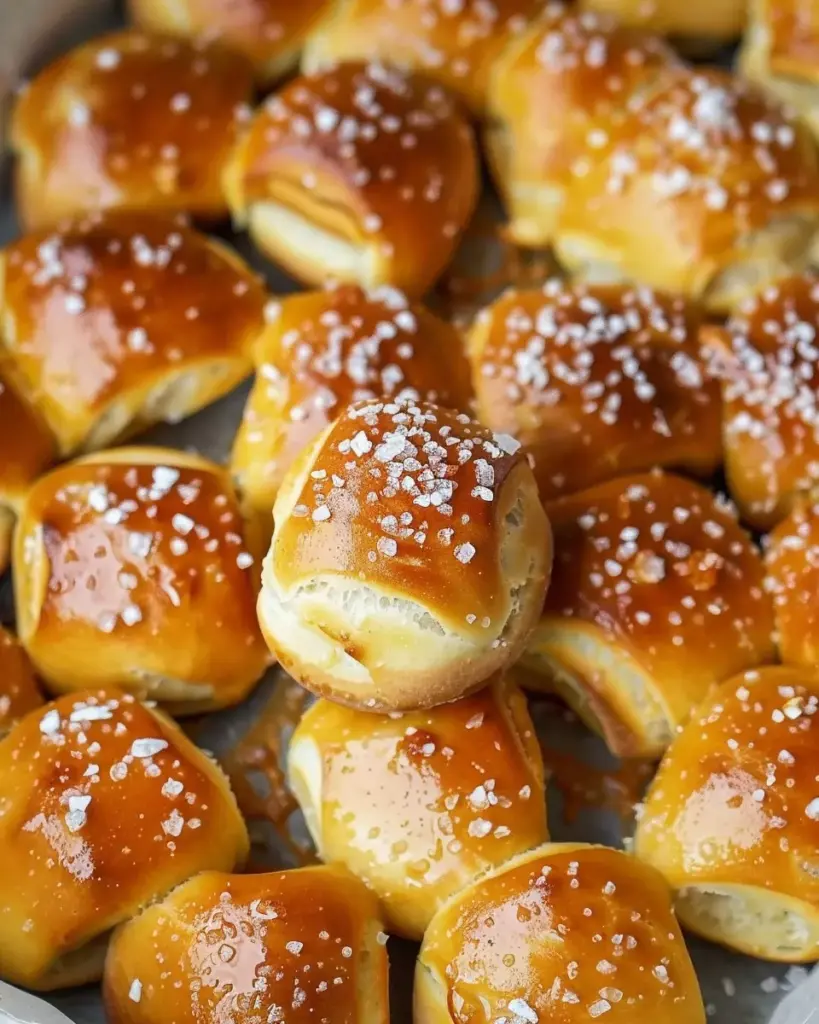
This recipe is easy to follow, family-friendly, and much more delicious than store-bought varieties. The dough is enriched with butter for softness and flavor, and the recipe includes customizable topping ideas—from coarse sea salt to sweet cinnamon sugar. Serve them with spicy cheese sauce or your favorite mustard to complete the experience.
These pretzel bites are the kind of snack that brings people together. Once you’ve tasted them fresh out of the oven, you’ll never go back to frozen pretzels again.
Preparation Phase & Tools to Use
Essential Tools and Equipment
To make this Soft Pretzels Recipe successfully, you’ll need the following kitchen tools:
- Stand mixer (with paddle and dough hook attachments) or a large mixing bowl for hand mixing
- Measuring cups and spoons or a digital kitchen scale for precise flour measurement
- Mixing bowls, one large and a few small
- Sharp knife, pizza cutter, or bench scraper for dividing dough
- Large pot for the baking soda bath
- Slotted spoon or spatula to safely remove pretzels from the boiling bath
- Silicone baking mats or parchment paper for lining baking sheets
- Baking sheets (two standard-sized)
- Kitchen towel for covering dough during rest
- Oven thermometer (optional but useful for accuracy)
These tools ensure your dough is mixed well, proofed correctly, and shaped and baked with consistent results. Proper equipment also helps avoid sticking, overhandling, or underbaking the pretzels.
Importance of Each Tool
- Stand mixer: Helps create an evenly mixed and well-kneaded dough with minimal effort.
- Digital scale: Guarantees precise flour amounts to avoid dough that is too dense or dry.
- Slotted spoon: Allows easy handling of dough bites during the baking soda bath.
- Silicone baking mats: Promote even baking and prevent sticking, which can damage your pretzel texture.
- Large pot: Essential for the baking soda bath that gives the pretzels their chewy crust.
Preparation Tips
- Water temperature: Always use lukewarm water (around 100°F or 38°C) to activate the yeast properly.
- Flour measurement: Use the spoon-and-level method or weigh flour for accuracy. Over-packing flour can lead to dense dough.
- Light flour use: When shaping dough, avoid excess flour to prevent a dry, tough texture.
- Resting the dough: Letting the dough rest allows the gluten to relax, making shaping easier and improving texture.
- Preheat your oven: Ensure the oven reaches a consistent 400°F (204°C) before baking. This ensures a proper crust.
Ingredients for Soft Pretzels
Dough
- 1 and 1/2 cups (360ml) warm water (approximately 100°F or 38°C)
- 2 and 1/4 teaspoons (7g) instant or active dry yeast (1 packet)
- 1 tablespoon brown sugar or granulated sugar
- 1 teaspoon salt
- 1 tablespoon (14g) unsalted butter, melted and slightly cooled
- 3 and 3/4 to 4 cups (469–500g) all-purpose flour, plus more for dusting
Topping & Baking Soda Bath
- 1/2 cup (120g) baking soda
- 9 cups (2,160ml) water
- Coarse salt or coarse sea salt, for sprinkling
Serving Options
- Spicy cheese sauce
- Mustard (classic, Dijon, or whole grain)
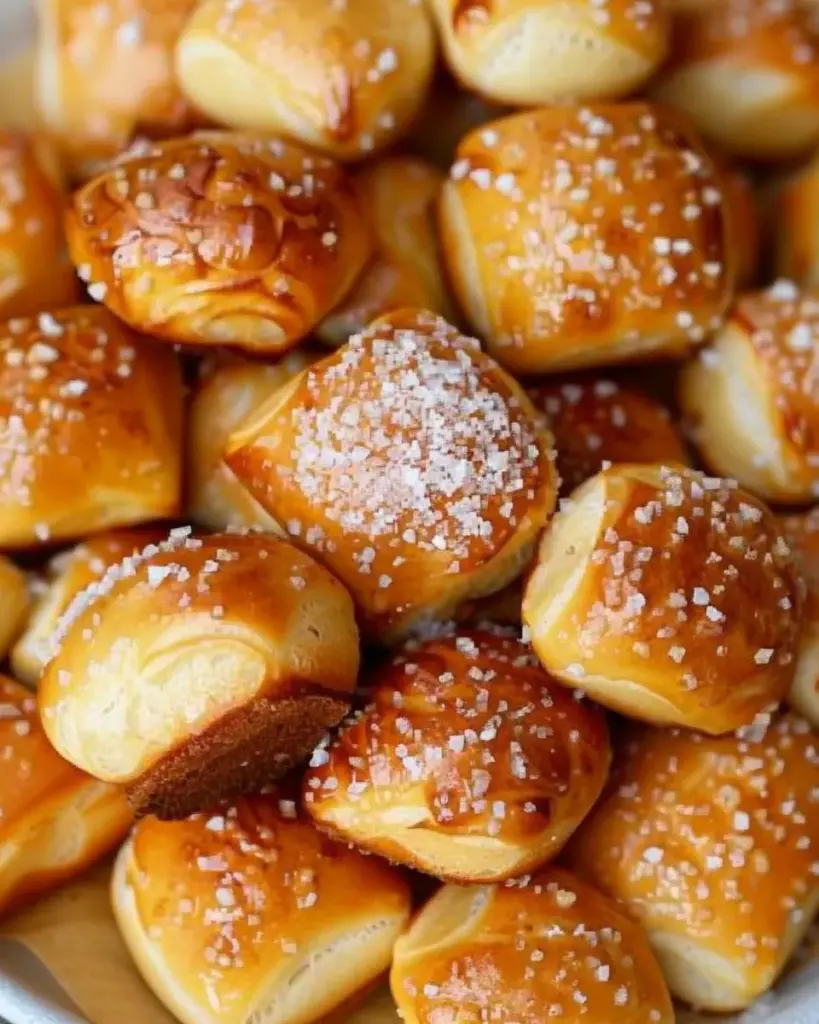
Step-by-Step Directions
1. Make the Dough
- In the bowl of a stand mixer fitted with the paddle or dough hook attachment, whisk together the warm water, yeast, and sugar.
- Cover the bowl and let it sit for 5 minutes until the top becomes foamy. This indicates the yeast is activated.
- Add salt, melted butter, and 3 cups of the flour.
- Beat on low speed for 1 minute, scrape down the bowl, then add 3/4 cup more flour.
- Continue to mix on low until the dough pulls away from the bowl’s sides, about 2 minutes.
- If the dough is still very sticky, add up to 1/4 cup more flour and beat for 1 additional minute.
2. Knead the Dough
- Switch to the dough hook if using a stand mixer, and knead on low speed for 5 minutes.
- Alternatively, knead by hand on a lightly floured surface for 5 minutes.
- The dough should be soft and elastic, slightly tacky but not sticky.
- Perform the windowpane test: stretch a small piece of dough until light passes through without tearing. This means gluten development is sufficient.
3. Rest the Dough
- Cover the dough with a clean kitchen towel.
- Let it rest at room temperature for 10 to 30 minutes. This resting period helps the gluten relax, making it easier to roll and shape.
4. Preheat Oven and Prepare Baking Sheets
- Preheat oven to 400°F (204°C).
- Line two baking sheets with silicone mats or lightly greased parchment paper.
5. Shape the Dough
- Divide the dough into six equal pieces using a knife, pizza cutter, or bench scraper.
- Roll each piece into a 20-inch rope on a lightly floured surface.
- If the dough resists stretching and shrinks back, cover it and let it rest for 10 more minutes.
- Cut each rope into 1.5 to 2-inch pieces to create bite-sized pretzels.
6. Prepare the Baking Soda Bath
- In a large pot, combine 9 cups of water with 1/2 cup of baking soda.
- Bring the mixture to a rolling boil.
7. Boil the Pretzel Bites
- Using a slotted spoon or spatula, gently drop 8 to 10 pretzel bites into the boiling water at a time.
- Boil for 10 to 15 seconds only. Longer boils may cause a metallic taste.
- Remove and allow excess water to drip off before placing on the prepared baking sheets.
- Immediately sprinkle with coarse salt, or leave plain if using a sweet topping later.
8. Bake the Pretzels
- Place the baking sheets in the preheated oven.
- Bake for 15 minutes or until golden brown and cooked through.
- Remove from oven and serve warm.
9. Storage and Reheating
- Store leftover pretzel bites in an airtight container at room temperature for up to 3 days.
- To reheat, microwave briefly or bake at 350°F (177°C) for about 5 minutes to restore crispness.
Serving Suggestions for Soft Pretzel Bites
Fresh from the oven, these soft pretzel bites are best enjoyed warm with a variety of flavorful accompaniments. Their chewy texture and golden crust pair perfectly with both savory and sweet additions, making them an adaptable snack for any event.
Popular Serving Ideas:
- Spicy cheese sauce
A creamy, sharp cheddar cheese dip with a hint of spice enhances the buttery, salty flavor of the pretzel. Use cayenne or smoked paprika for extra depth. - Classic mustard
Pair your pretzels with yellow, Dijon, or grainy mustard. Mustard’s tangy acidity complements the chewy dough perfectly. - Sweet version with cinnamon sugar
Skip the salt topping and, after baking, brush the bites with melted butter and coat in cinnamon sugar. Serve with vanilla icing or chocolate dipping sauce. - Pretzel snack board
Include dips, cured meats, cheeses, pickles, and vegetables for an appetizer board. Add different dipping sauces for variety. - Kids’ party tray
Serve mini pretzels with honey mustard, ranch, or nacho cheese. Include small cups for easy dipping. - Game day platter
Stack pretzels in a basket with spicy queso, jalapeño poppers, and cold beverages. Serve warm using a low-heat oven to keep them crisp.
Encourage your guests to mix and match toppings and dips. The adaptability of this soft pretzels recipe is one of its greatest advantages.
Common Mistakes to Avoid & How to Perfect the Recipe
Even a simple pretzel recipe can go wrong if basic principles are missed. Below are common problems and how to prevent them when making this soft pretzels recipe.
Mistake: Water Too Hot or Too Cold
Problem: Yeast won’t activate or may die.
Solution: Use water between 95°F and 105°F. If it feels warm to the touch but not hot, it’s likely just right. Use a thermometer for precision.
Mistake: Dough Too Sticky or Too Dry
Problem: The dough becomes hard to work with or bakes too dense.
Solution: Measure flour accurately using the spoon-and-level method or a kitchen scale. Add small amounts of flour during kneading only if dough remains sticky.
Mistake: Skipping the Baking Soda Bath
Problem: Pretzels lack that chewy crust and deep golden color.
Solution: The baking soda bath is essential. Boil each batch for 10 to 15 seconds only to avoid a bitter or metallic taste.
Mistake: Uneven Shaping or Over-Flouring
Problem: Inconsistent bake or dry texture.
Solution: Roll evenly and avoid using too much flour on the work surface. Rest the dough before shaping if it resists rolling.
Mistake: Baking at the Wrong Temperature
Problem: Under-baked or burnt pretzels.
Solution: Preheat oven fully to 400°F (204°C). Bake for about 15 minutes until golden brown. Rotate trays halfway through for even baking.
Mistake: Storing Pretzels Improperly
Problem: Pretzels go stale or soggy quickly.
Solution: Store in an airtight container at room temperature for up to 3 days. Reheat in an oven, not microwave, to maintain crisp texture.
Mistake: Adding Salt Too Early for Make-Ahead Batches
Problem: Salt draws moisture and softens the crust.
Solution: If not serving immediately, skip the salt topping until just before reheating or serving.
Mistake: Overkneading or Undermixing
Problem: Dense or rubbery texture.
Solution: Knead for exactly 5 minutes using a mixer or by hand. Perform a windowpane test to confirm gluten is developed properly.
Perfecting this recipe comes down to timing, temperature control, and technique. Follow these pointers and your results will improve every time.
Side Dish Recommendations
These soft pretzel bites are an excellent standalone snack but also work beautifully as part of a larger meal. Here are eight carefully selected side dishes that enhance the flavors and appeal of this recipe.
1. Spicy Beer Cheese Dip
- A sharp, creamy dip made with cheddar, beer, and a touch of garlic.
- Serve warm in a fondue pot or bowl.
- Complements the pretzels’ saltiness and buttery flavor.
2. Sausage and Mustard Platter
- Pair pretzel bites with sliced bratwurst, kielbasa, or hot links.
- Add whole-grain mustard, pickles, and sauerkraut.
- Ideal for Oktoberfest-style meals or hearty appetizers.
3. Spinach and Artichoke Dip
- Creamy and garlicky, this dip is a crowd-pleaser.
- Pretzel bites offer a chewier alternative to chips or bread.
- Serve hot or cold depending on preference.
4. Roasted Beer Cheese Soup
- Rich and savory, serve this soup in small mugs or shot glasses.
- Dunk pretzel bites for a decadent snack.
- Excellent for winter gatherings or cold weather appetizers.
5. Apple Cider Pumpkin Soup
- A sweet-savory seasonal pairing.
- The spice in the soup contrasts well with salty pretzel bites.
- Great for fall or holiday menus.
6. Greek Yogurt Dill Dip
- A light, herb-forward dip with cucumber, garlic, and dill.
- Offers a refreshing contrast to the warm, salty pretzels.
- Suitable for brunch, picnic spreads, or health-conscious guests.
7. Chili Con Carne
- A hearty chili with beef, beans, and spice.
- Serve in small bowls with pretzel bites for dipping.
- Fulfills both comfort food and snack board roles.
8. Beer-Battered Onion Rings
- Serve alongside pretzel bites with dipping sauces like cheese or mustard.
- Pairs well with beverages and suits game-day settings.
- Adds texture variety to any snack board.
Each of these sides enhances the experience of your soft pretzels recipe, whether you’re planning a party spread or a cozy night in. Use combinations of dips and dishes to create an unforgettable appetizer table.
Recipe Tips for Perfect Soft Pretzels
Even with a clear recipe, a few extra tips can elevate your results. Here are tried-and-true methods to help you get the best texture and flavor every time.
- Use fresh yeast
If your yeast doesn’t foam after 5 minutes in warm water, it’s likely expired. Always use fresh, active yeast for a proper rise. - Weigh your flour
Use a kitchen scale to ensure you add the correct amount. Too much flour results in dry pretzels, while too little makes dough sticky and hard to shape. - Avoid over-flouring your work surface
A lightly floured surface helps prevent sticking, but too much flour can dry out your dough and prevent proper shaping. - Perform the windowpane test
After kneading, stretch a piece of dough. If light passes through without tearing, gluten has developed properly. - Stick to the baking soda bath time
Boil for only 10 to 15 seconds. Overboiling can cause an unpleasant metallic taste and overly dense crust. - Customize toppings
Swap out salt for cinnamon sugar, sesame seeds, everything bagel seasoning, or shredded cheese for different flavors. - Let shaped dough rest if it shrinks
If the dough resists rolling or shaping, let it rest for 10 minutes to allow the gluten to relax. - Bake on silicone mats
These ensure even browning and prevent sticking. Parchment paper greased with butter or oil is a good alternative.
Storage and Reheating Instructions
These soft pretzels are best enjoyed fresh, but with proper storage and reheating, they can stay delicious for days.
Short-Term Storage
- Store cooled pretzel bites in an airtight container at room temperature.
- Best consumed within 2 to 3 days for optimal freshness.
- Avoid refrigeration as it can dry out the dough and make the crust rubbery.
Freezing Instructions
- You can freeze fully baked, unsalted pretzels for up to 3 months.
- Let them cool completely, then place in a freezer-safe bag or container.
- Reheat from frozen in a 350°F (177°C) oven for about 10 minutes, optionally brushing with water and sprinkling with salt before heating.
Reheating Tips
- For best results, reheat in the oven at 350°F for 5 to 8 minutes.
- You can use a microwave for convenience, but the crust may become soft or rubbery.
- For sweet versions, brush with butter and sprinkle toppings after reheating.
Frequently Asked Questions
Can I make soft pretzels without a baking soda bath?
Yes, but they will lack the chewy crust and deep brown color that defines traditional pretzels. The alkaline solution reacts with the dough to create the characteristic flavor and texture. Skipping this step turns the recipe into a basic bread roll.
Why are my pretzels hard or dense?
This could be due to over-kneading, adding too much flour, or baking too long. Ensure your dough is soft and elastic. Don’t exceed the suggested bake time of 15 minutes.
Can I freeze the dough or pretzels?
Yes. You can freeze fully baked pretzel bites (preferably without salt) and reheat them in the oven. You can also refrigerate the boiled, unbaked bites for up to 24 hours and bake fresh when ready.
What flour works best for pretzels?
All-purpose flour is ideal for this recipe. Bread flour creates a chewier texture, which some prefer. Avoid self-rising flour or low-protein flours, which may affect structure.
What does the baking soda bath do?
The alkaline bath changes the pH of the dough’s surface, creating a deeper color, chewy crust, and authentic pretzel flavor. It also improves browning during baking.
Can I make sweet pretzel bites?
Yes. After baking, brush the pretzel bites with melted butter and roll them in cinnamon sugar. Serve with sweet dipping sauces like vanilla glaze or chocolate ganache.
Why is my dough shrinking when shaping?
That means the gluten is tight. Cover and rest the dough for 10 minutes before rolling again. This allows gluten strands to relax and improves elasticity.
How do I get even golden-brown color?
Use silicone mats and rotate your baking sheets halfway through. Make sure the oven is fully preheated to 400°F and avoid overcrowding the trays.
How long do pretzels stay fresh?
At room temperature in an airtight container, they stay fresh for up to 3 days. For longer storage, freeze them and reheat when needed.
What are good vegan or dairy-free substitutions?
Replace the butter with plant-based margarine and serve with vegan dips. Make sure your mustard or sauces are dairy-free as well. Note that texture may vary slightly.