Baked Feta Eggs
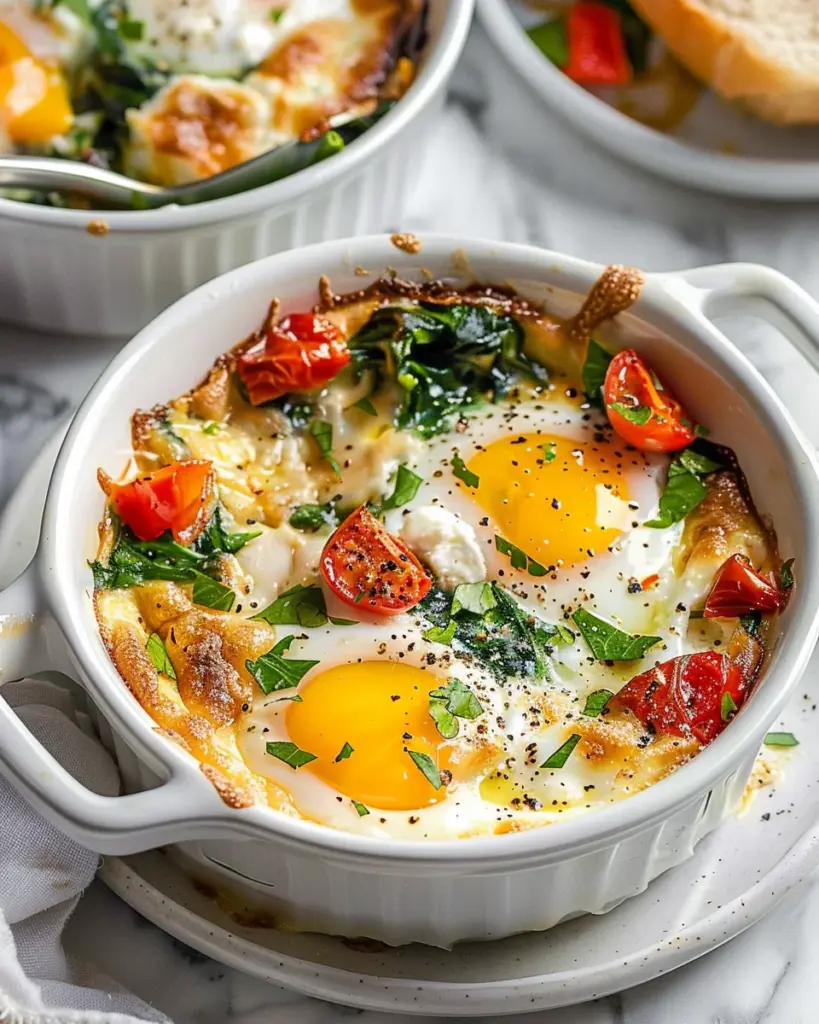
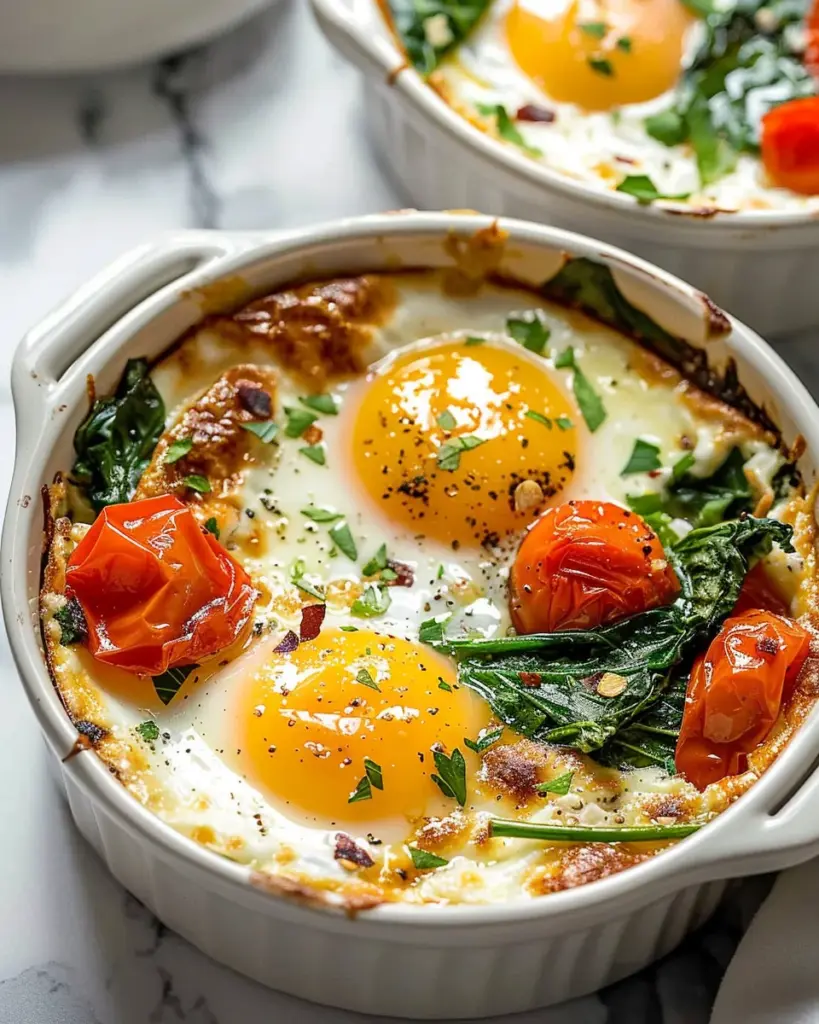
Baked feta eggs are a vibrant, savory, and deeply satisfying Mediterranean-inspired breakfast or brunch dish. Imagine creamy, slightly tangy feta melting into a bed of roasted cherry tomatoes, red bell peppers, and red onions—infused with garlic, herbs, and a drizzle of rich olive oil. Topped with a cracked egg nestled into the center, each serving bakes into a perfectly portioned ramekin of flavor.
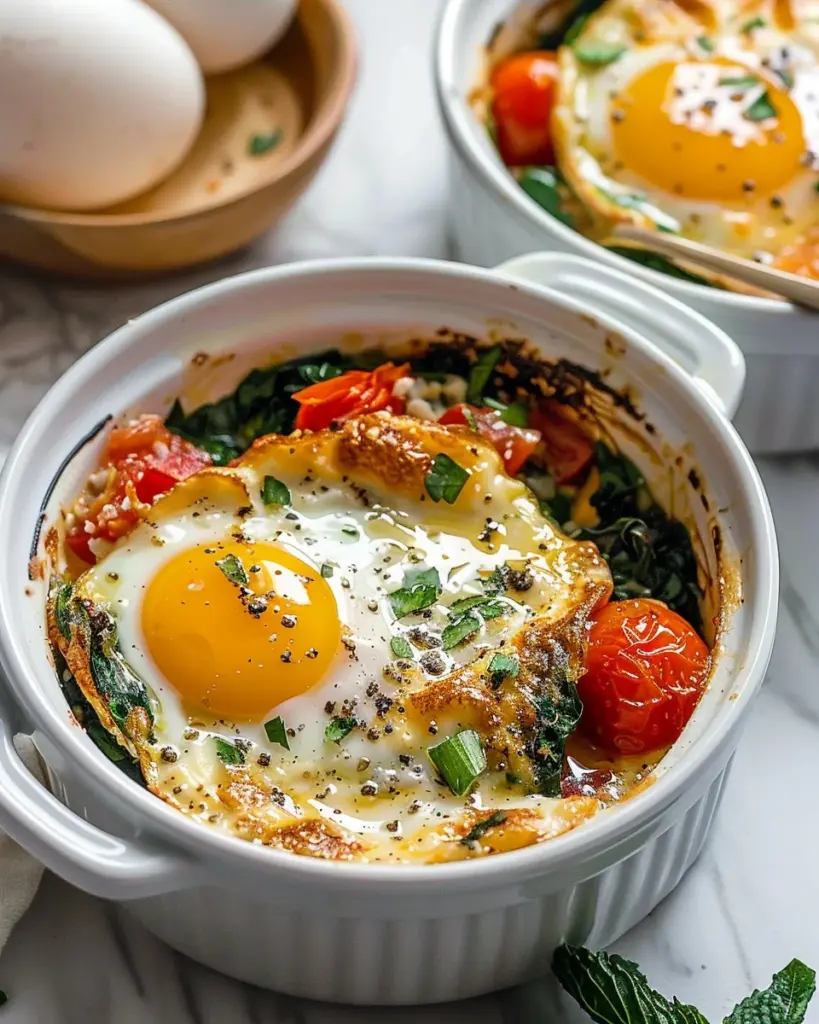
Whether you’re preparing a cozy morning meal or an impressive brunch for guests, this dish delivers high impact with minimal effort. Its Mediterranean flavors make it a standout, while its simplicity makes it a go-to favorite.
Why You’ll Love This Recipe
- Bursting with flavor from roasted vegetables, creamy feta cheese, and aromatic herbs.
- Can be baked in individual ramekins or a single large dish.
- Vegetarian-friendly and packed with protein and healthy fats.
- Perfect for meal prep, brunch parties, or an easy weekday breakfast.
- Naturally gluten-free and customizable with a variety of veggies or added protein.
Preparation Phase & Tools to Use
Essential Tools and Equipment
To prepare your baked feta eggs with ease and success, gather the following kitchen tools:
- 4 oven-safe ramekins (each at least 10 oz) or one 8×8 or 9×11-inch baking dish
- Baking sheet (for ramekins)
- Mixing bowl (for spice blend)
- Measuring spoons and cups
- Sharp knife and cutting board
- Spoon or spatula for stirring
- Gold or metal spoon (optional, for serving aesthetics)
Importance of Each Tool
- Ramekins help create personal-sized servings that are visually appealing and easy to manage.
- A baking sheet provides stability and catches any overflow when using ramekins.
- Measuring tools ensure accurate seasoning and consistent flavor.
- A sharp knife guarantees evenly diced vegetables for even roasting.
- The mixing bowl helps blend herbs and spices evenly before distribution.
- A spoon or spatula makes stirring feta and veggies simple post-roasting.
Preparation Tips
Before assembling your dish, take a few steps to prepare efficiently:
- Preheat the oven to 400°F (200°C) for consistent roasting.
- Dice the vegetables (bell pepper, onion) and halve the cherry tomatoes for quicker caramelization.
- Mince garlic finely to distribute flavor evenly.
- Use whole block feta instead of crumbled for better melting texture.
- Chop spinach finely to distribute easily into the baked mixture.
- Use quality olive oil to enhance overall richness and prevent burning.
Tip: If you’re preparing this dish for guests, pre-chop all vegetables and mix the spice blend the night before.
Ingredients
Organized for 4 servings:
- 2 cups cherry or grape tomatoes, halved
- 1 red bell pepper, diced
- ½ small red onion, diced
- 3 cloves garlic, minced
- 8 oz feta cheese (preferably block, crumbled by hand)
- 4 tbsp extra virgin olive oil
- 1 tsp dried oregano
- 1 tsp sea salt
- ½ tsp dried thyme
- ½ tsp ground black pepper
- ½ tsp red pepper flakes (adjust to spice preference)
- 1 cup chopped baby spinach
- 4 large eggs
- Optional toppings: chopped fresh basil or chives
Note:
- Use ramekins of at least 10 oz each to prevent overflow.
- For a large batch, use a 8×8 or 9×11-inch baking dish.
Step-by-Step Directions
Follow these steps for perfect baked feta eggs:
- Preheat oven to 400°F (200°C).
- Assemble vegetables and feta:
- If using ramekins: Divide tomatoes, bell pepper, red onion, garlic, and feta between four oven-safe ramekins.
- If using one baking dish: Combine all vegetables and place the block of feta in the center.
- Drizzle with olive oil:
- Use 1 tbsp per ramekin or evenly over the dish if using a single baking pan.
- Mix spice blend:
- In a small bowl, combine oregano, salt, thyme, black pepper, and red pepper flakes.
- Sprinkle evenly across ramekins or over the baking dish.
- Bake vegetables and feta:
- Place ramekins on a baking sheet, or place the large dish directly into the oven.
- Bake for 25 minutes until vegetables are roasted and feta starts to brown.
- Stir and add spinach:
- Remove from oven and stir mixture until feta is evenly mixed in.
- Add chopped spinach and stir again to combine.
- Add eggs:
- Create a small well in the center of each ramekin or make four wells in the baking dish.
- Carefully crack one egg into each well.
- Final bake:
- Return to oven and bake for an additional 10 minutes, or until egg whites are set and yolks reach desired doneness.
- Garnish and serve:
- Sprinkle with optional chopped basil or chives.
- Serve immediately with crusty bread, toast, or warm pita.
Tips and Variations
- For runny yolks, reduce second bake time by 2–3 minutes.
- For firm yolks, bake a little longer.
- Add pre-cooked bacon or sausage for a meat lover’s variation.
- Use zucchini, eggplant, or mushrooms to vary the veggie base.
- Substitute goat cheese or ricotta if you don’t have feta.
- For extra spice, add chili oil or hot sauce before serving.
- To make ahead, prep the vegetable and feta mixture and refrigerate overnight. Add eggs and bake fresh in the morning.
Serving Suggestions
Baked feta eggs are incredibly versatile and can be presented in a variety of ways to match your occasion. Whether you’re setting up a casual weekday breakfast or a polished weekend brunch, this dish is both satisfying and visually appealing.
How to Serve Baked Feta Eggs
- Serve directly in individual ramekins for a rustic, personal touch.
- For a communal feel, use a single baking dish and allow guests to scoop portions.
- Pair with warm crusty bread, toasted sourdough, or pita for dipping into the creamy feta and runny yolks.
- Garnish with fresh basil, chives, or a light drizzle of olive oil for a finishing touch.
Occasions to Serve
- Ideal for brunch gatherings and holiday breakfasts.
- A satisfying option for a vegetarian dinner.
- Great for meal prep when made ahead in ramekins.
- Excellent for impressing guests without a lot of effort.
Beverage Pairings
- Fresh orange or grapefruit juice
- Mediterranean coffee or espresso
- Herbal teas like mint or chamomile
- Light white wine or rosé for brunch occasions
Common Mistakes To Avoid & How to Perfect the Recipe
Even simple dishes can go wrong with small missteps. Here’s how to avoid the most common pitfalls and ensure your baked feta eggs turn out perfectly every time.
Overcooked Eggs
- Problem: Egg yolks become too firm, and whites turn rubbery.
- Solution: Keep a close eye during the second bake (after eggs are added). Start checking at 8 minutes. Remove from the oven as soon as whites are set.
Undercooked Egg Whites
- Problem: Whites remain translucent or watery.
- Solution: Ensure oven is fully preheated. Allow ramekins or dish to heat evenly before adding eggs.
Too Much Salt
- Problem: Feta is already salty; adding more salt makes the dish overpowering.
- Solution: Taste the feta before adding salt. Use mild feta if you’re sensitive to salt. Reduce added salt or omit entirely if needed.
Watery Vegetables
- Problem: Tomatoes and other veggies release excess moisture, leading to a soggy dish.
- Solution: Halve or quarter cherry tomatoes. Roast uncovered to allow evaporation. Avoid overloading with high-moisture vegetables unless pre-cooked.
Eggs Spreading Too Much
- Problem: Eggs spread across the dish and don’t hold shape.
- Solution: Make small wells in the roasted mixture before adding eggs. Use room temperature eggs for best results.
Dry or Burnt Edges
- Problem: Veggies or feta get too crispy or dry at the edges.
- Solution: Use enough olive oil to keep the mixture moist. Consider loosely covering the dish with foil if edges begin to darken early.
Overfilled Ramekins
- Problem: Ingredients overflow during baking.
- Solution: Use ramekins that hold at least 10 ounces. Don’t fill to the brim; leave room for the egg.
Cold or Uneven Serving Temperature
- Problem: Dish cools too fast or reheats unevenly.
- Solution: Serve immediately after baking. If reheating, use a low oven temperature and cover with foil to maintain texture.
Side Dish Recommendations
Pairing your baked feta eggs with complementary sides will elevate your meal and balance the rich flavors of feta and eggs.
Crusty Baguette or Sourdough Toast
- A classic and essential pairing.
- Toasted and lightly buttered bread is ideal for dipping into the runny yolks and creamy feta.
- Try garlic-rubbing the toast or drizzling with olive oil for extra flavor.
Warm Whole Grain Pita or Flatbread
- Excellent for scooping and soaking up juices.
- Toast or warm in a skillet before serving.
- For added flavor, brush with herb-infused oil before warming.
Fresh Green Salad with Lemon-Olive Oil Vinaigrette
- A refreshing contrast to the rich, creamy bake.
- Use mixed greens, arugula, or baby spinach.
- Add sliced cucumbers, red onions, and cherry tomatoes.
- A lemony dressing balances the saltiness of the feta.
Roasted Sweet Potatoes or Baby Potatoes
- A hearty and satisfying side.
- Roast with olive oil, garlic, and rosemary for Mediterranean flair.
- Sweet potatoes add a natural sweetness that complements the saltiness of feta.
Sautéed or Roasted Asparagus or Zucchini
- Light, tender vegetables work beautifully alongside eggs.
- Roast with lemon zest and black pepper.
- For extra richness, finish with grated parmesan.
Avocado Slices or Avocado Toast
- Creamy and nutrient-dense, avocado balances the dish with healthy fats.
- Serve plain with a pinch of salt and chili flakes or mash onto toast.
Fruit Salad or Fresh Berries
- A sweet and refreshing addition.
- Use a mix of blueberries, raspberries, oranges, and kiwi for a colorful bowl.
- Drizzle with honey or sprinkle with fresh mint.
Pickled Onions or Mixed Olives
- Bright, briny flavors cut through the creaminess of the baked dish.
- Quick-pickled red onions or a bowl of Mediterranean olives can elevate the plate.
Recipe Tips for the Best Baked Feta Eggs
Crafting the perfect baked feta eggs relies on a few key techniques and adjustments. These expert tips will help you optimize flavor, texture, and presentation every time you make this dish.
Best Practices
- Use block feta cheese for superior texture and melt quality. Crumble it by hand before baking.
- Halve the cherry tomatoes to release their sweetness and enhance roasting.
- Create proper wells for the eggs after the initial baking phase to keep them from spreading across the dish.
- Let the dish rest for 1–2 minutes after baking. The residual heat will finish setting the eggs without overcooking them.
- Bake uncovered to allow liquid from the vegetables to evaporate and concentrate flavors.
Make It Your Own
- Customize the vegetable base by adding zucchini, mushrooms, eggplant, or kale.
- For added heat, use harissa, chili oil, or jalapeños in the veggie mix.
- Add cooked bacon, prosciutto, or diced sausage before baking for a meat-based variation.
- Incorporate a small amount of pesto or sun-dried tomato paste to intensify Mediterranean flavors.
Scaling the Recipe
- For groups, double the recipe and use a 9×13 baking dish.
- When using ramekins, ensure they are at least 10 ounces in volume to prevent overflow.
Storage and Reheating Instructions
Proper storage and reheating ensure your baked feta eggs remain delicious even after the initial meal.
Refrigeration
- Store leftovers in airtight containers in the refrigerator for up to 4 days.
- Allow ramekins or dishes to cool fully before covering and storing.
Freezing
- Not recommended to freeze with eggs, as the texture of the yolk suffers.
- Instead, prepare and freeze the veggie and feta base only. Add eggs fresh when reheating and baking.
Reheating Options
- Oven method: Preheat to 325°F (165°C). Cover dish with foil and bake for 8–10 minutes until warmed through.
- Microwave method: Use 50% power in 30-second intervals. Cover to retain moisture and avoid overheating the eggs.
- Skillet method: For single portions, reheat gently on the stovetop with a lid to preserve moisture.
Frequently Asked Questions (FAQs)
Can I use a different cheese instead of feta?
Yes, you can substitute with goat cheese, Boursin, ricotta, or even crumbled blue cheese for a unique twist. Each will alter the flavor and salt content.
How do I know when the eggs are fully cooked?
The egg whites should be opaque and fully set. For runny yolks, remove the dish when whites are just firm. For firmer yolks, bake 1–2 minutes longer.
Is this dish low-carb or keto-friendly?
Yes. The base recipe is low in carbohydrates and high in protein and fat, making it ideal for keto or low-carb diets. Serve without bread for a keto version.
Can I prepare this ahead of time?
Yes. You can prep the vegetable and feta base up to 2 days in advance. Store covered in the fridge and add the eggs just before baking.
What’s the best way to prevent watery baked eggs?
- Roast uncovered to allow water to evaporate.
- Avoid overloading the dish with high-water-content vegetables unless pre-cooked.
- Halve cherry tomatoes and avoid using very ripe produce with excess moisture.
Can I serve this cold?
It’s best enjoyed warm, straight from the oven. If serving later, reheat gently to preserve texture and flavor.
What are the best ramekins to use?
Use oven-safe ramekins with a capacity of 10 ounces or more. Ceramic or glass ramekins are best for even heat distribution.
Can I add meat to the recipe?
Absolutely. Try adding cooked crumbled sausage, diced bacon, or chopped ham. Add them with the vegetables before the initial bake.
Can I double the recipe for a crowd?
Yes. Use a 9×13-inch baking dish and double all ingredients. Make sure the baking time is slightly extended, especially once the eggs are added.
Why is my feta not melting?
Feta does not melt like mozzarella but will soften and become creamy when baked. For a smoother texture, stir the feta thoroughly after the first bake.