
Traditional Cultured Mozzarella
Traditional Cultured Mozzarella is a delightful cheese that elevates any dish, making it perfect for salads, pizzas, or simply enjoyed on its own. This exquisite mozzarella boasts a rich flavor and creamy texture thanks to the slow fermentation process using natural starter cultures. Whether you’re hosting a gathering or just indulging in a culinary adventure at home, this cheese is sure to impress.
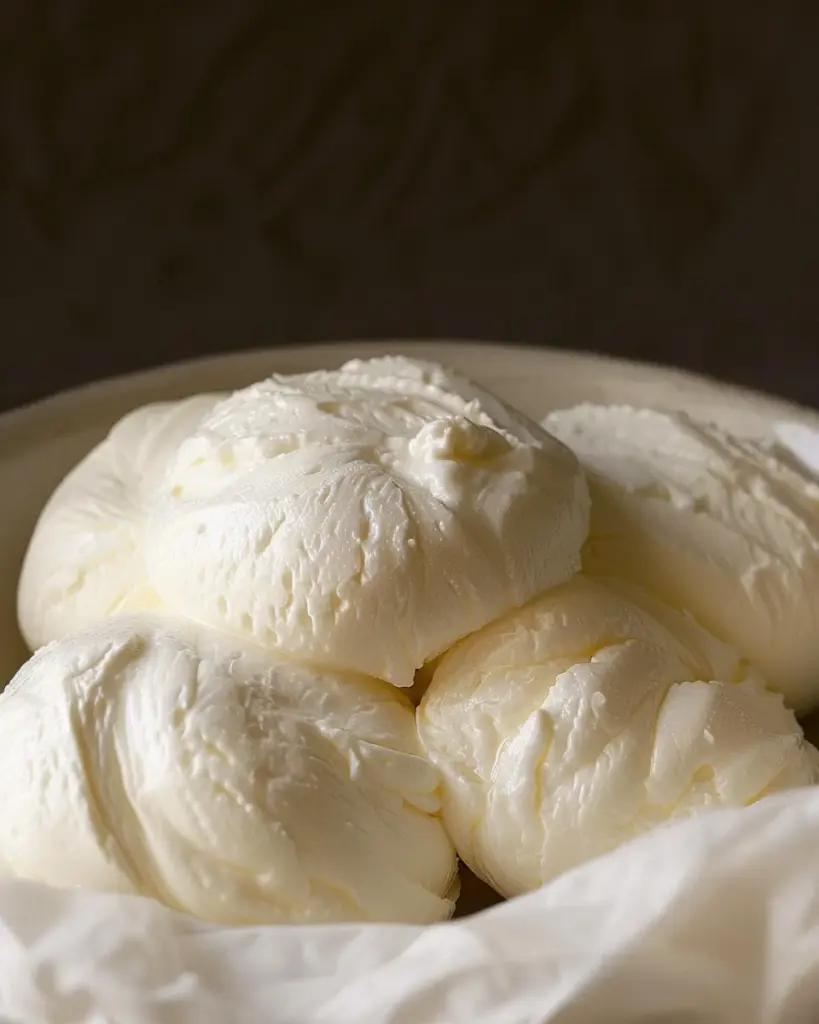
Why You’ll Love This Recipe
- Rich Flavor: The slow fermentation process allows the mozzarella to develop complex flavors that quick-set cheeses simply can’t match.
- Satisfying Texture: Enjoy the unique stretch and creaminess that comes from traditional methods, giving your dishes that authentic Italian touch.
- Versatile Uses: Perfect for salads, pizzas, and appetizers, this mozzarella enhances any meal with its fresh taste.
- Rewarding Experience: Making your own cheese can be a fulfilling hobby that connects you to traditional cooking methods.
- Healthier Choice: Homemade mozzarella lets you control the ingredients, ensuring no preservatives or additives are present.
Tools and Preparation
Before diving into making your Traditional Cultured Mozzarella, gather your tools. Having everything ready will make the process smoother and more enjoyable.
Essential Tools and Equipment
- Large pot
- Thermometer
- Slotted spoon
- Cheesecloth or fine mesh strainer
- Heatproof bowl
Importance of Each Tool
- Large pot: Necessary for heating milk and combining ingredients without overflow.
- Thermometer: Ensures accurate temperature control for optimal cheese-making conditions.
- Slotted spoon: Helps strain curds from whey efficiently without losing any precious curds.
Ingredients
Ingredients:
– 2 1/2 gallons Whole Milk (10 Liters)
– 100 ml starter (clabber, kefir, or whey (1:100), or 1 packet mesophilic starter powder)
– 3/4 tsp liquid rennet
– 1 tbsp salt
How to Make Traditional Cultured Mozzarella
Step 1: Heat the Milk
Bring milk to cheese temperature, about 35°C (95°F).
Step 2: Add the Starter Culture
Add starter and mix in thoroughly.
Step 3: Incorporate Rennet
Add rennet and mix in thoroughly.
Step 4: Wait for Clean Break
Wait for clean break, which takes about 45 minutes to 1 hour. Cover the pot to maintain warmth.
Step 5: Cut the Curd
Cut curd into walnut-sized pieces (about 1 inch or 2.5 cm). Cut vertically, then crosswise, then horizontally or diagonally.
Step 6: Stir Curds Gently
Stir curds gently over 5 to 10 minutes.
Step 7: Ferment Curds
Ferment curds under whey at ambient temperature until acidity develops. Aim for a pH of around 5.3—check with a stretch test. Mozzarella typically takes about 6 to 8 hours to develop its stretch. If curd temperature drops below 30°C (86°F), gently warm it back up.
Step 8: Prepare for Stretching
Prepare for mozzarella stretching as curd shows first signs of stretching.
Step 9: Boil Water
Bring 5 quarts (about 5 Liters) of water to a boil (half as much water as milk).
Step 10: Prepare Cold Water Bath
Also prepare a cold-water bath with another 5 quarts (about 5 Liters).
Step 11: Make Salt Brine
Prepare a light salt brine with 2 quarts of cold water and 1 tablespoon of salt (the brine should taste good!).
Step 12: Strain Curds
Strain the curds from the whey.
Step 13: Pour Hot Water Over Curds
Pour almost-boiling water over curds until they melt evenly. Add hot water slowly while stirring gently between additions. Avoid overcooking by adding more hot water only as needed.
Step 14: Shape Curds
Gently bring curds together into a single mass under the water. Shape them into mozzarella.
Step 15: Stretch Curds
Stretch a handful of curd from the mass into a rope about 6 inches (15 cm) long.
Step 16: Form Into Balls
Fold rope into an accordion shape or roll it into a stout pinwheel. Stretch the top part of the cheese over the accordion to make a ball. Tear off pieces between your thumb and forefinger.
Step 17: Cool in Water Bath
Plunge mozzarella into the cold-water bath and leave until cool.
Step 18: Store in Brine
Transfer mozzarella to light salt brine and refrigerate to preserve freshness.
How to Serve Traditional Cultured Mozzarella
Serving Traditional Cultured Mozzarella can elevate any meal. This cheese’s creamy texture and rich flavor make it a perfect addition to various dishes. Here are some delightful ways to enjoy this homemade cheese.
Fresh Caprese Salad
- Use slices of mozzarella, ripe tomatoes, and fresh basil for a classic Italian dish. Drizzle with balsamic glaze for added flavor.
Mozzarella on Bruschetta
- Top toasted bread with diced tomatoes, basil, and chunks of mozzarella. A sprinkle of olive oil enhances this appetizer.
Cheese Platter
- Pair mozzarella with olives, cured meats, and artisan bread for a stunning cheese board ideal for sharing at gatherings.
Pizza Topping
- Add slices of mozzarella atop your favorite pizza before baking. It melts beautifully and creates that perfect gooey texture.
Pasta Dishes
- Incorporate mozzarella into pasta dishes like lasagna or baked ziti. Its melting properties add richness to the meal.
Stuffed Peppers
- Mix mozzarella into stuffed bell peppers with rice, veggies, and spices. The cheese will melt as it bakes, adding creaminess.
How to Perfect Traditional Cultured Mozzarella
Perfecting Traditional Cultured Mozzarella involves careful attention to detail during the cheesemaking process. Here are some tips to ensure success:
- Use quality milk – Opt for high-quality whole milk without additives for the best flavor.
- Monitor temperature closely – Keeping the milk at the right temperature is crucial for curd formation.
- Be patient during fermentation – Allow enough time for curds to develop their stretch; rushing this step can result in rubbery cheese.
- Practice stretching technique – Work the curd gently and evenly while stretching; this helps achieve that desired smooth texture.
- Experiment with salt levels – Adjusting salt in brine can enhance flavor; taste as you go!
- Store properly – Refrigerate mozzarella in brine for freshness and flavor longevity.
Best Side Dishes for Traditional Cultured Mozzarella
Pairing side dishes with Traditional Cultured Mozzarella can enhance your dining experience. Here are some excellent choices that complement its flavors well.
- Garlic Bread – Crispy bread infused with garlic butter makes a perfect companion for mozzarella dishes.
- Roasted Vegetables – Seasonal vegetables roasted until caramelized offer a delightful contrast.
- Mixed Green Salad – A simple salad with vinaigrette balances the richness of mozzarella nicely.
- Pasta Primavera – Colorful vegetables tossed in olive oil complement the creamy texture of the cheese.
- Antipasto Platter – Assorted cured meats, olives, and pickled vegetables create a flavorful spread that pairs well with mozzarella.
- Risotto – Creamy risotto provides a comforting base when topped with fresh mozzarella chunks.
- Grilled Asparagus – Lightly charred asparagus drizzled with lemon juice enhances any dish featuring mozzarella.
- Stuffed Mushrooms – Fill mushrooms with herbs and breadcrumbs mixed with mozzarella for a savory bite-sized treat.
Common Mistakes to Avoid
Making Traditional Cultured Mozzarella can be challenging if you’re new to cheesemaking. Here are some common mistakes and tips on how to avoid them.
- Boldly neglecting temperature: Maintaining the right temperature is crucial for developing flavor and texture. Always use a thermometer to ensure the milk reaches the correct cheese temperature.
- Rushing the fermentation process: Impatience can lead to poor results. Allow the curds enough time to ferment properly; this usually takes 6 to 8 hours.
- Ignoring pH levels: Not monitoring acidity can affect stretchability. Utilize a pH meter or test strips to achieve your target pH of 5.3.
- Overcooking curds: Too much heat can ruin your mozzarella. Gradually add hot water, ensuring curds melt evenly without becoming rubbery.
- Forgetting salt brine: Skipping the brining step can lead to bland cheese. Make sure to prepare a light salt brine for optimal flavor preservation.
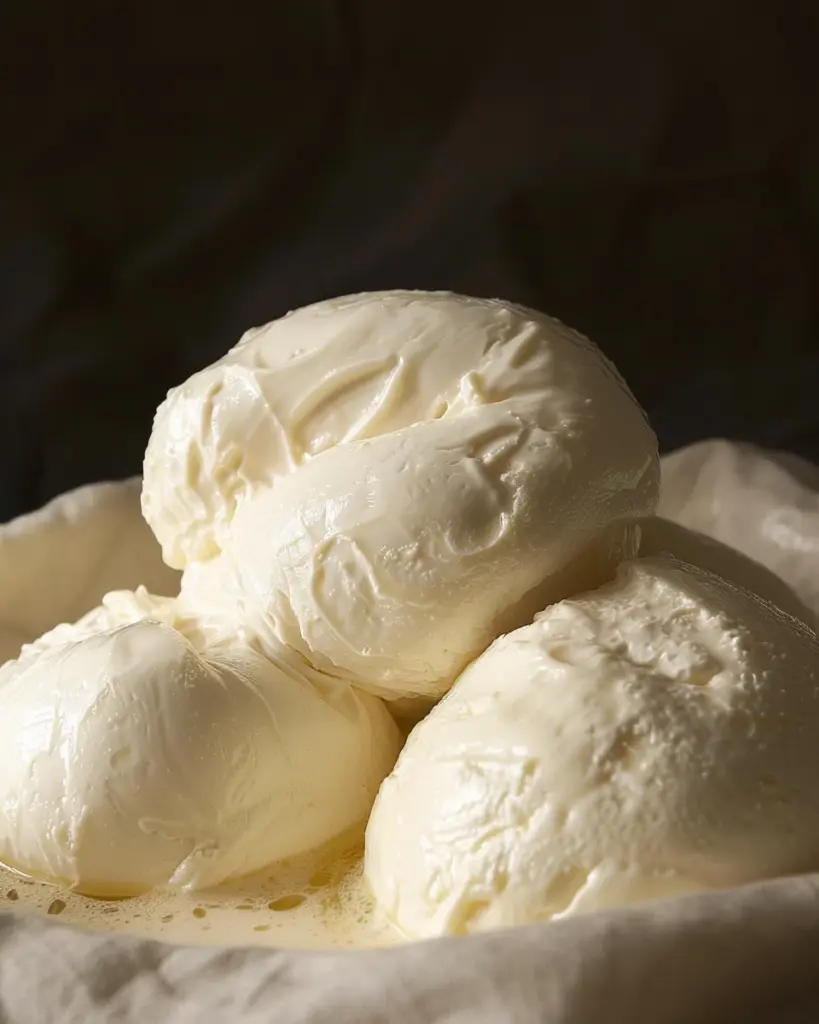
Storage & Reheating Instructions
Refrigerator Storage
- Store mozzarella in an airtight container for up to 1 week.
- Keep it submerged in its brine or some water to maintain moisture.
Freezing Traditional Cultured Mozzarella
- Freeze mozzarella by wrapping it tightly in plastic wrap, then place it in a freezer bag.
- It can last up to 3 months in the freezer, but note that texture may change upon thawing.
Reheating Traditional Cultured Mozzarella
- Oven: Preheat the oven to 350°F (175°C). Place mozzarella on a baking sheet and heat until warm and slightly melted.
- Microwave: Place mozzarella on a microwave-safe plate and heat in short bursts of 10-15 seconds until warm.
- Stovetop: Melt mozzarella gently in a pan over low heat, stirring frequently for even warming.
Frequently Asked Questions
Here are some common questions about Traditional Cultured Mozzarella and their answers.
What is Traditional Cultured Mozzarella?
Traditional Cultured Mozzarella is a cheese made using natural starter cultures and slow fermentation, resulting in rich flavor and texture.
How long does it take to make Traditional Cultured Mozzarella?
The entire process takes about 480 minutes, including preparation, fermentation, and stretching.
Can I use different types of milk for Traditional Cultured Mozzarella?
Yes, while whole milk is preferred for its richness, you can experiment with other types of milk like goat or sheep’s milk for different flavors.
Why is my mozzarella not stretching properly?
Improper fermentation or cooking temperatures may cause this issue. Ensure you monitor both closely during the process.
How should I store leftover Traditional Cultured Mozzarella?
Store it in an airtight container with its brine or water in the refrigerator for up to one week.
Final Thoughts
Making Traditional Cultured Mozzarella at home is a delightful journey into cheesemaking. The versatility of this cheese allows you to use it in various dishes from pizza to salads. Don’t hesitate to customize your mozzarella by adding herbs or spices during the stretching process!

Traditional Cultured Mozzarella
- Total Time: 6 hours 30 minutes
- Yield: Approximately 30 servings 1x
Description
Traditional Cultured Mozzarella is a sensational cheese that will elevate your culinary creations. This homemade delight features a rich flavor profile and a creamy, stretchy texture, making it an ideal choice for salads, pizzas, or simply enjoyed on its own. The slow fermentation process using natural starter cultures adds depth to the taste, transforming ordinary meals into extraordinary dishes. Whether you’re hosting friends or indulging in a cozy evening at home, this artisanal mozzarella is sure to impress anyone who takes a bite.
Ingredients
- 2 1/2 gallons Whole Milk
- 100 ml Starter (clabber, kefir, whey, or mesophilic starter powder)
- 3/4 tsp Liquid Rennet
- 1 tbsp Salt
Instructions
- Heat milk to 35°C (95°F).
- Stir in starter culture thoroughly.
- Add rennet and mix well.
- Cover and wait for clean break (about 45 minutes to 1 hour).
- Cut curds into walnut-sized pieces and stir gently for 5-10 minutes.
- Allow curds to ferment until they reach the desired stretchiness (6-8 hours).
- Strain curds from whey and pour hot water over them to melt evenly.
- Shape and stretch curds into balls.
- Cool in cold water bath and store in light salt brine.
- Prep Time: 30 minutes
- Cook Time: 6 hours
- Category: Cheese
- Method: Culturing
- Cuisine: Italian
Nutrition
- Serving Size: 1 ounce (28g)
- Calories: 85
- Sugar: 0g
- Sodium: 160mg
- Fat: 6g
- Saturated Fat: 4g
- Unsaturated Fat: 1g
- Trans Fat: 0g
- Carbohydrates: 1g
- Fiber: 0g
- Protein: 7g
- Cholesterol: 20mg