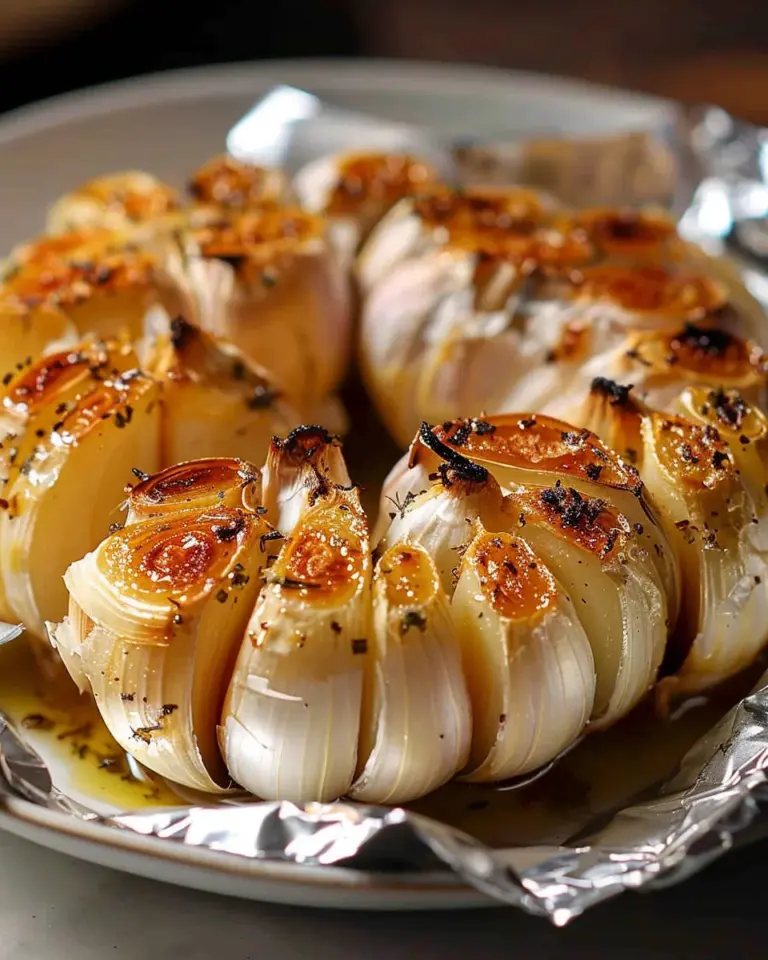
Fisherman’s Soup
Fisherman’s Soup is more than just a dish—it’s a culinary journey rooted in the riversides of Hungary, capturing centuries of tradition in each rich, paprika-laced spoonful. With its vibrant red broth, smoky aroma, and medley of tender seafood, this soup embodies comfort and culture in perfect harmony.
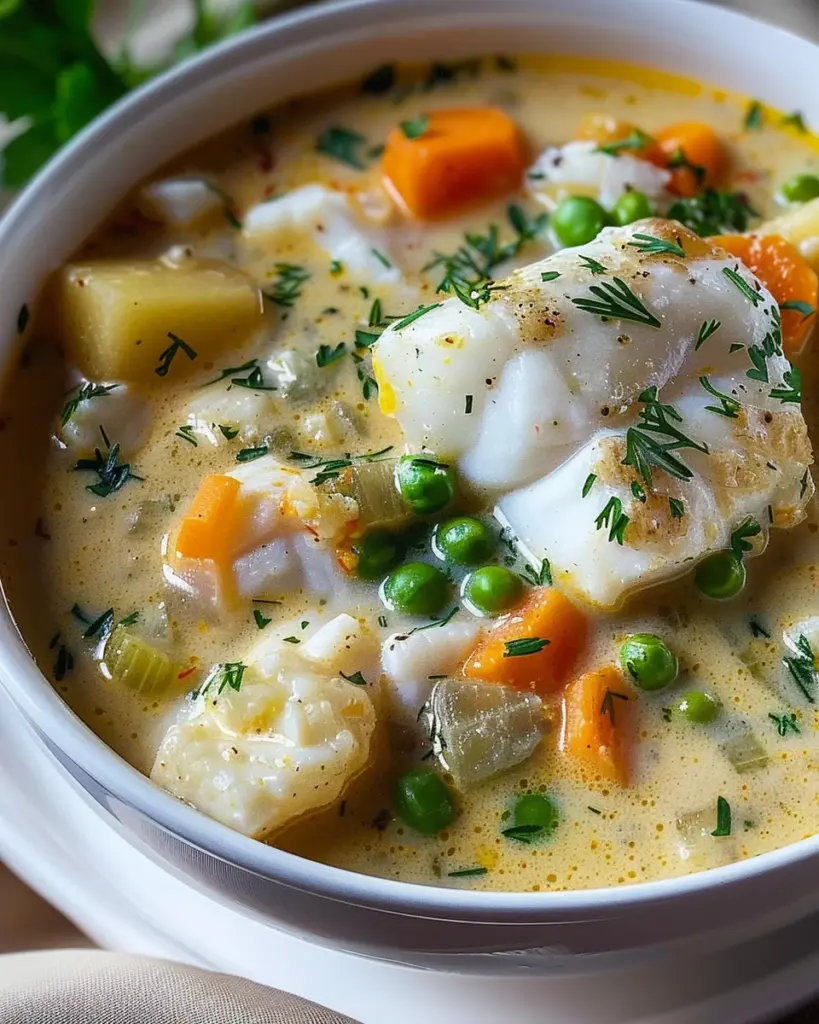
This dish is especially close to my heart. I first encountered it on the banks of the Danube, where local fishermen prepared it in kettles over open flames. The scent of smoked paprika blending with the river air created an unforgettable memory—one that comes flooding back with every bowl I prepare.
This rustic yet elegant soup is ideal for cold evenings, festive gatherings, or any day when you crave something both nourishing and flavor-packed. Whether you’re a seasoned seafood lover or new to Hungarian cuisine, Fisherman’s Soup promises a bold and satisfying experience.
Why You’ll Love This Recipe
- Bursting with Fresh Seafood Flavors – Uses a balanced mix of fish and shellfish for layered taste.
- Nutritious & Wholesome – High in protein and healthy fats, no cream, alcohol, or pork.
- Customizable – Use your favorite seafood; adjust spices to taste.
- Elegant Yet Simple – Looks and tastes impressive, but requires basic kitchen skills.
- Perfectly Spiced – Warm, smoky, slightly spicy, with optional heat adjustments.
Preparation Phase & Tools to Use
Essential Tools and Equipment
To craft a perfect Fisherman’s Soup, gather the following kitchen tools:
- Large heavy-bottom pot or Dutch oven – Ensures even heat and prevents burning.
- Sharp chef’s knife – Necessary for cleanly chopping vegetables and seafood.
- Cutting board – Designate one for seafood to avoid cross-contamination.
- Wooden spoon or heat-resistant spatula – Ideal for stirring without scratching the pot.
- Ladle – For portioning the soup without spilling.
- Strainer or slotted spoon – Optional, helpful for removing bay leaf or excess foam.
Importance of Each Tool
- The heavy-bottom pot maintains a stable simmer, critical for flavor development.
- A sharp knife ensures clean cuts, which helps seafood cook evenly.
- The ladle and spoon allow better control and presentation of the dish.
Preparation Tips
- Read the recipe once through before starting.
- Chop and measure everything ahead of time (mise en place).
- Use fresh seafood where possible for the best flavor.
- Adjust the spice level before adding seafood to avoid over-seasoning delicate fish.
Ingredients List
Base Ingredients
- 1 tablespoon olive oil
- 1 large onion, finely chopped
- 2 garlic cloves, minced
- 1 large carrot, diced
- 1 celery stalk, diced
- 1 red bell pepper, diced
- 1 teaspoon paprika
- 1 teaspoon smoked paprika
- 1 teaspoon ground black pepper
- ½ teaspoon red pepper flakes (optional, for heat)
- 1 teaspoon salt (adjust to taste)
- 1 teaspoon dried oregano
- 1 teaspoon dried thyme
- 1 bay leaf
Liquid and Flavor Enhancers
- 4 cups fish stock (or vegetable broth)
- 1 (14-ounce) can crushed tomatoes
- 2 tablespoons tomato paste
- 1 teaspoon sugar (to balance acidity)
- 2 cups water
- Juice of 1 lemon
- Fresh parsley or cilantro for garnish
Seafood Selection (Customize as Needed)
- ½ pound firm white fish (cod, halibut, tilapia, or snapper), cut into chunks
- ½ pound shrimp, peeled and deveined
- ½ pound mussels or clams, cleaned
- ½ pound squid or scallops (optional)
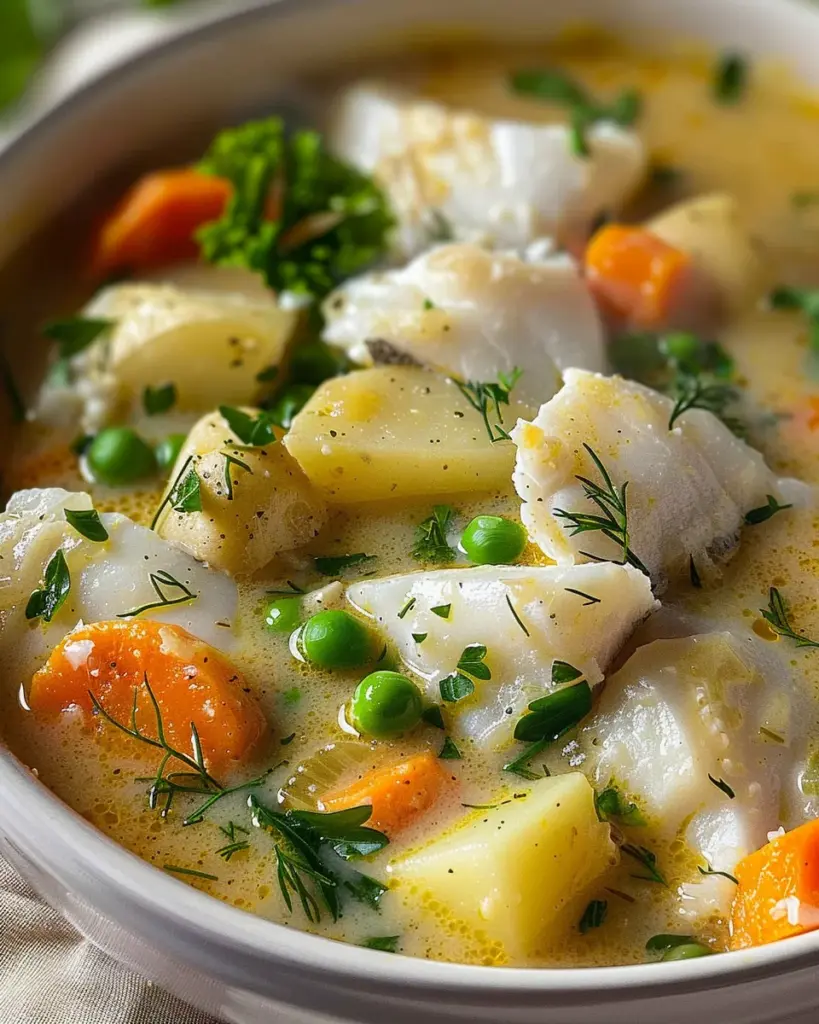
Step-by-Step Directions
Step 1: Prepare the Base
- Heat the Olive Oil – In a large pot, warm the olive oil over medium heat.
- Sauté the Aromatics – Add chopped onion, garlic, carrots, and celery. Cook for 5 minutes until softened.
- Add the Bell Pepper – Stir in diced red bell pepper. Sauté for 3 minutes more.
- Season the Base – Sprinkle in paprika, smoked paprika, black pepper, red pepper flakes (if using), salt, oregano, thyme, and the bay leaf. Stir to coat evenly.
Step 2: Build the Flavor
- Add Tomato Paste – Stir in tomato paste and cook for 2 minutes to deepen the flavor.
- Pour in Tomatoes & Stock – Add crushed tomatoes, fish stock, and water. Mix well.
- Balance Acidity – Stir in the sugar. Bring to a gentle boil over medium-high heat.
- Simmer – Reduce the heat and let the soup simmer uncovered for 20 minutes to develop richness.
Step 3: Cook the Seafood
- Add Firm Fish First – Gently place fish chunks into the simmering soup. Cook for 5 minutes.
- Add Shellfish – Add shrimp, mussels, and clams. Cover and cook for another 5–7 minutes or until shellfish open.
- Discard any shellfish that remain closed.
- Add Lemon Juice – Stir in freshly squeezed lemon juice to brighten the flavor.
Step 4: Garnish and Serve
- Remove Bay Leaf – Always remove it before serving.
- Garnish – Sprinkle with chopped parsley or cilantro.
- Serve Hot – Pair with crusty bread or rice for a complete meal.
Serving Suggestions
Serving Fisherman’s Soup is an opportunity to enhance its bold, rustic flavors with thoughtful accompaniments. Whether you’re presenting it as a comforting weeknight meal or a centerpiece at a gathering, consider these serving ideas for the best experience:
- With Crusty Bread – The classic pairing. Thick slices of rustic, crusty bread soak up the rich broth perfectly.
- Over Steamed Rice – For a heartier meal, serve over white or brown rice to stretch the serving size and add texture.
- As an Appetizer – Serve smaller portions as a first course before a grilled fish entrée or seafood pasta.
- With Garlic Toast – Adds savory depth and a satisfying crunch.
- With a Light Salad – A crisp green salad with lemon vinaigrette balances the bold spices of the soup.
- In Bread Bowls – Hollow out artisan rolls and serve the soup inside for a rustic presentation.
Tips for Serving
- Garnish each bowl just before serving with a sprinkle of fresh parsley or cilantro.
- Provide lemon wedges on the side for guests to brighten their bowls as they like.
- Serve piping hot to maximize aroma and flavor.
Common Mistakes to Avoid & How to Perfect the Recipe
Even a simple dish like Fisherman’s Soup can go off-track without a few important reminders. Here are the most common mistakes—and how to avoid them.
Mistake 1: Overcooking the Seafood
- Why It’s a Problem: Overcooked shrimp or fish become rubbery and dry.
- Fix: Add the seafood toward the end and simmer gently. Remove from heat as soon as it’s cooked through.
Mistake 2: Using Low-Quality Stock
- Why It’s a Problem: The broth forms the base of the soup. A bland stock weakens the entire dish.
- Fix: Use homemade fish stock or high-quality store-bought versions. Avoid overly salty or MSG-heavy options.
Mistake 3: Unbalanced Spices
- Why It’s a Problem: Too much heat or not enough paprika can overpower or dull the flavor.
- Fix: Taste frequently. Start with recommended amounts, and adjust before adding seafood.
Mistake 4: Not Sautéing the Base Long Enough
- Why It’s a Problem: Rushed sautéing results in underdeveloped flavor.
- Fix: Take time to soften vegetables and let the spices bloom in oil.
Mistake 5: Crowding the Pot
- Why It’s a Problem: Too much seafood at once cools the broth and creates uneven cooking.
- Fix: Add in batches if necessary, maintaining a gentle simmer throughout.
How to Perfect the Recipe
- Always use fresh seafood whenever possible.
- Let the soup rest for a few minutes off-heat before serving to allow the flavors to meld.
- Don’t skip the lemon juice—it lifts and balances the richness of the soup.
- If possible, cook in a cast iron or heavy-bottom pot to retain steady heat.
- For a stronger paprika presence, add a pinch more smoked paprika toward the end of simmering.
Side Dish Recommendations
Choosing the right side dish can elevate Fisherman’s Soup from a simple bowl to a full, satisfying meal. Here are eight excellent options that complement the flavor, texture, and warmth of this hearty soup.
1. Crusty Artisan Bread
A thick slice of crusty bread is ideal for dipping. Choose sourdough, ciabatta, or rustic rye for best results.
2. Steamed Jasmine or Basmati Rice
Rice turns the soup into a full meal and absorbs the spicy broth beautifully. A touch of olive oil or lemon zest can enhance the pairing.
3. Fresh Garden Salad
Use crisp greens like romaine or arugula, topped with cucumbers, radishes, and a lemon-based vinaigrette for contrast.
4. Garlic Toast or Bruschetta
Grilled or oven-toasted slices rubbed with garlic and olive oil make for a crunchy, flavorful side.
5. Roasted Vegetables
Carrots, parsnips, or sweet potatoes roasted with herbs provide a sweet and earthy counterpoint to the smoky broth.
6. Herbed Quinoa
Light, nutty quinoa cooked with fresh parsley, lemon, and garlic complements the seafood without overpowering it.
7. Pickled Vegetables
Serve small portions of pickled onions, beets, or cucumbers. Their acidity balances the richness of the soup.
8. Sautéed Greens
Spinach, Swiss chard, or kale lightly sautéed with garlic and olive oil provide a healthy, slightly bitter side.
Recipe Tips
Fisherman’s Soup invites flexibility and creativity. Use these tips to adapt the dish to your preferences while preserving its rich, bold essence.
- Balance the Broth – If the soup tastes too acidic, add a pinch of sugar or a splash of cream to mellow it out.
- Season in Layers – Taste after each phase (base, broth, seafood) to keep flavors consistent and avoid over-seasoning.
- Add Vegetables for Texture – Zucchini, leeks, or diced potatoes can stretch the soup and provide added depth.
- For a Creamy Variation – Stir in a splash of coconut milk or heavy cream after removing from heat.
- Experiment with Seafood – Try adding crab, lobster, or even smoked fish for extra complexity.
- Make it Mediterranean – Add black olives, capers, and a hint of rosemary for a southern twist.
- Go Herb-Forward – Stir in fresh dill or tarragon just before serving for a lighter, fresher aroma.
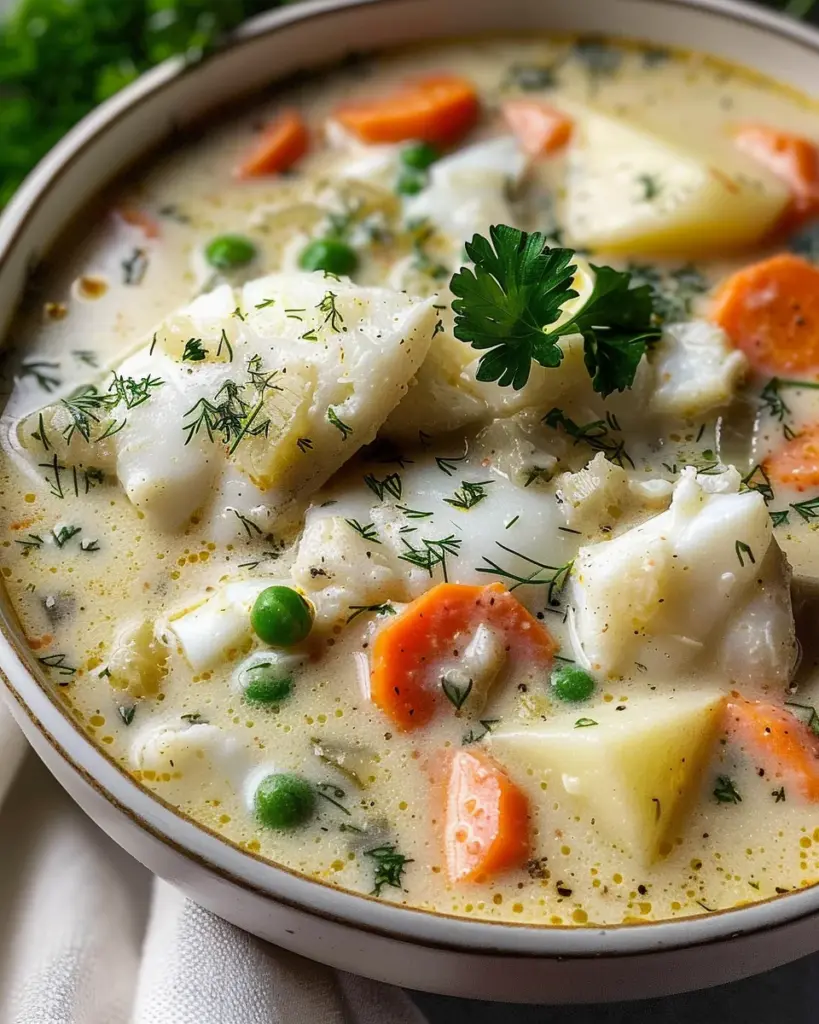
Storage Instructions
Fisherman’s Soup stores well, especially if you handle the seafood components with care.
- Refrigeration – Store in an airtight container for up to 3 days.
- Storage Tips – Let the soup cool to room temperature before sealing to prevent condensation.
- Label & Date – Use masking tape and a marker to track freshness if storing in bulk.
Freezing & Reheating Instructions
- Freezing – For best texture, freeze the soup without shellfish. Add fresh seafood when reheating.
- Freezer Duration – Store for up to 2 months in airtight, freezer-safe containers.
- Reheating – Warm slowly over low heat on the stovetop. Avoid boiling once seafood is added to prevent overcooking.
- Microwave Tip – If using a microwave, reheat in short bursts, stirring frequently, to ensure even heating.
Frequently Asked Questions (FAQs)
Can I make this soup without shellfish?
Yes. Simply use firm white fish like cod or halibut. To keep it hearty, add extra vegetables or firm tofu as a protein replacement.
What fish works best for this soup?
Firm white fish such as cod, halibut, or snapper hold their shape well and absorb flavor. Salmon offers a richer taste if desired.
Can I make this soup spicy?
Absolutely. Increase the red pepper flakes, or add a pinch of cayenne or sliced chili peppers. Always taste before serving.
Is this soup kid-friendly?
Yes, if you omit or reduce the spiciness. Serve with rice or bread to make it more filling for younger palates.
What can I serve with this soup?
Crusty bread, steamed rice, garlic toast, fresh salad, or pickled vegetables all pair well. See side dish suggestions above for more ideas.
Can I make this ahead of time?
Yes. Prepare the base and broth ahead, refrigerate, and reheat before adding seafood. This preserves texture and freshness.
How do I make a vegetarian version?
Use vegetable broth and replace seafood with hearty vegetables like mushrooms, zucchini, and potatoes. Add smoked paprika for depth.
Can I thicken the broth?
Yes. Puree a small portion of the base before adding seafood. Alternatively, add a bit of cooked rice or a spoon of flour to thicken naturally.